
The Stanford GI Artificial Intelligence Network (GAIN) brings together leading GI clinicians, data scientists, and engineers to accelerate AI-driven discovery in gastroenterology — and we’re inviting device vendors, AI companies, and life sciences professionals to shape that future alongside us.
Real World Evidence
GI faculty & fellows
Linked Stanford AI centers
Network and collaborations
About GAIN
A Dedicated Center for AI Validation in Gastroenterology — at Stanford
The Stanford GI Artificial Intelligence Network (GAIN) is a newly established center within the Division of Gastroenterology designed to centralize AI, data science, and infrastructure for GI research and clinical innovation. GAIN provides every faculty member and fellow with shared resources for data access, AI tooling, and translational pathways — eliminating the friction that has historically limited the pace and scale of GI discovery.
The Membership Program is GAIN’s structured pathway for companies to engage with Stanford’s GI faculty, datasets, and clinical infrastructure. Membership provides unrestricted support for GAIN’s research, education, and operational activities, while opening direct channels to Stanford’s GI ecosystem.
Member applications are accepted year-round.
Real World Data Analytics
AI Infrastructure
Memberships & Translation
Education & Culture
AI in GI conference, grand rounds, fellow & faculty training
Why work with GAIN?
The GI AI Research Program No Other Academic Center Can Offer
GAIN sits at the intersection of Stanford’s clinical data infrastructure, deep GI clinical expertise, and world-class AI research capability. For industry members, this combination is rare — and directly actionable.
Unmatched Real-world GI Data
Facilitated pathways to one of the nation’s richest GI clinical datasets — Epic Clarity, Cosmos, procedure registries, biobanks — for clinical validation, algorithm training, and real-world evidence generation.
Faculty-Led Research & Education
Engage with Stanford GI faculty and researchers through educational programming, research discussions, and opportunities to learn about emerging advances in GI AI—from endoscopy and IBD to colorectal cancer screening.
Accelerated Clinical
Validation
GAIN’s embedded data scientist support, IRB pathways, and GI clinical trials infrastructure cut validation timelines significantly. Move from algorithm to clinical evidence faster than anywhere else.
AI Ecosystem at Stanford
Opportunities to collaborate with Stanford HAI (Human-Centered AI Institute), the Center for Digital Health, AIMI (AI in Medicine and Imaging), and top-tier Stanford engineering labs.
National GI Network
GAIN’s connections with the American Gastroenterological Association (AGA), ASGE, and multicenter research consortia provide access to a broad network of researchers across the national GI research community.
Talent Pipeline & Recruitment
Access Stanford’s graduate students, postdocs, and GI fellows — a uniquely skilled pipeline combining clinical GI knowledge with AI and data science training — for recruitment and early collaboration.
Research Focus Areas
Priority Areas of Research and Validation at GAIN
Premium and Founding members may designate research tokens toward any of GAIN’s priority focus areas, or collaborate with the GAIN Director to define a novel focus area aligned with your pipeline.
01
Endoscopy AI & Computer Vision
Polyp detection, Barrett’s esophagus surveillance, ESD assistance, and quality metrics automation using video and image AI across ERCP, colonoscopy, and upper endoscopy.
02
Inflammatory Bowel Disease (IBD)
AI-powered disease activity prediction, treatment response modeling, remission biomarker discovery, and remote patient monitoring for Crohn’s disease and ulcerative colitis.
03
Colorectal Cancer Screening & Prevention
Risk stratification algorithms, AI-assisted pathology review, microsatellite instability prediction, and population-level screening optimization tools.
04
NASH / MASH & Metabolic Liver Disease
Non-invasive fibrosis staging models, imaging biomarker development, treatment response prediction, and real-world evidence for emerging NASH therapeutics.
05
GI Microbiome & Precision Medicine
Multi-omic integration for GI disease phenotyping, microbiome-drug interaction modeling, and AI-driven patient stratification for precision GI therapeutics.
06
AI-Augmented Clinical Trials
Adaptive trial design for GI indications, AI-powered patient recruitment and eligibility screening, digital endpoints development, and real-world evidence integration.
How to Join
Four Steps to Working with GAIN
Step 1:
Initial Conversation
Contact the GAIN team to discuss your organization’s goals, pipeline interests, and how the program aligns with your research and commercial objectives.
Step 2:
Application to Join
Submit an application with your preferred tier. Applications are reviewed on a rolling basis throughout the year.
Step 3:
Onboarding & Introductions
Upon acceptance, GAIN facilitates introductions to relevant faculty, schedules an onboarding meeting, and activates your tier benefits including Research Token scoping.
Step 4:
Collaborate & Grow
Engage in research projects, attend events, recruit talent, and explore commercialization pathways. Annual reviews ensure your goals and priorities stay on track.
Meet the GAIN Team
Program Leadership
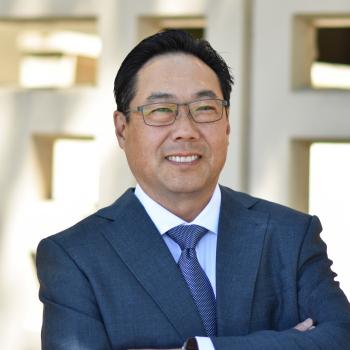
Joo Ha Hwang, MD, PhD
Executive Sponsor, Stanford GAIN Chief, Division of Gastroenterology & Hepatology
Provides executive leadership and divisional commitment to GAIN, championing AI innovation as a strategic priority for Stanford GI research and clinical care.
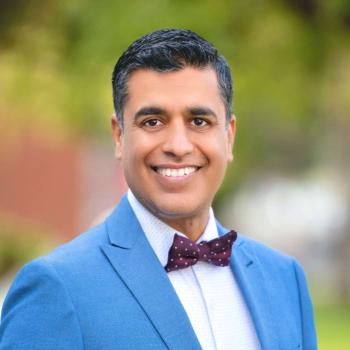
Ashish Atreja, MD, MPH
Founding Executive Director, Stanford GAIN
Innovation leader with deep expertise in digital health, AI, and clinical informatics. Architect of Stanford GAIN’s research and industry partnership strategy.

Uri Ladabaum, MD
Co-Director, Stanford GAIN, Professor of Medicine (Gastroenterology and Hepatology)
Director of the Gastrointestinal Cancer Prevention Program and heads the Clinical Service of the Division of Gastroenterology and Hepatology at Stanford University School of Medicine.
Affiliate Faculty
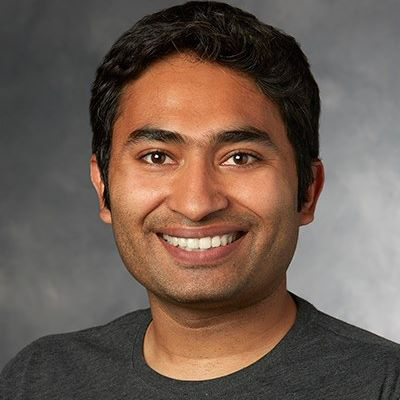
Rohit Vashisht, PhD
Clinical Data Scientist, Bakar Computational Health Sciences Institute, UCSF

Renumathy Dhanasekaran, MD, PhD
Assistant Professor of Medicine (Gastroenterology)
GAIN Research Team
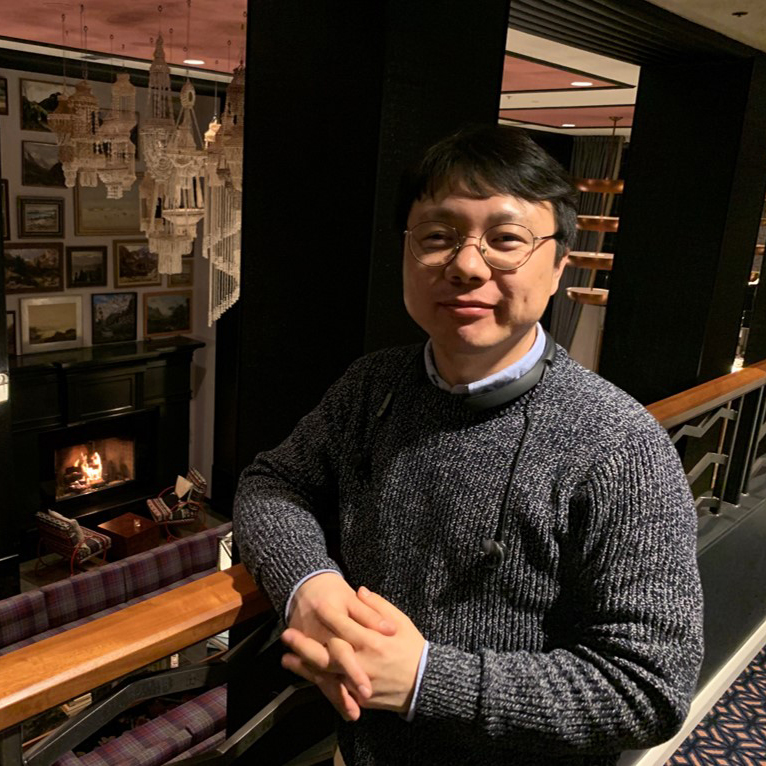
Gwansuk Kang, PhD
GAIN Administrator, Research Engineer (Computer Vision)

Cameron Schultz, MS
GAIN Administrator, Research Data Scientist
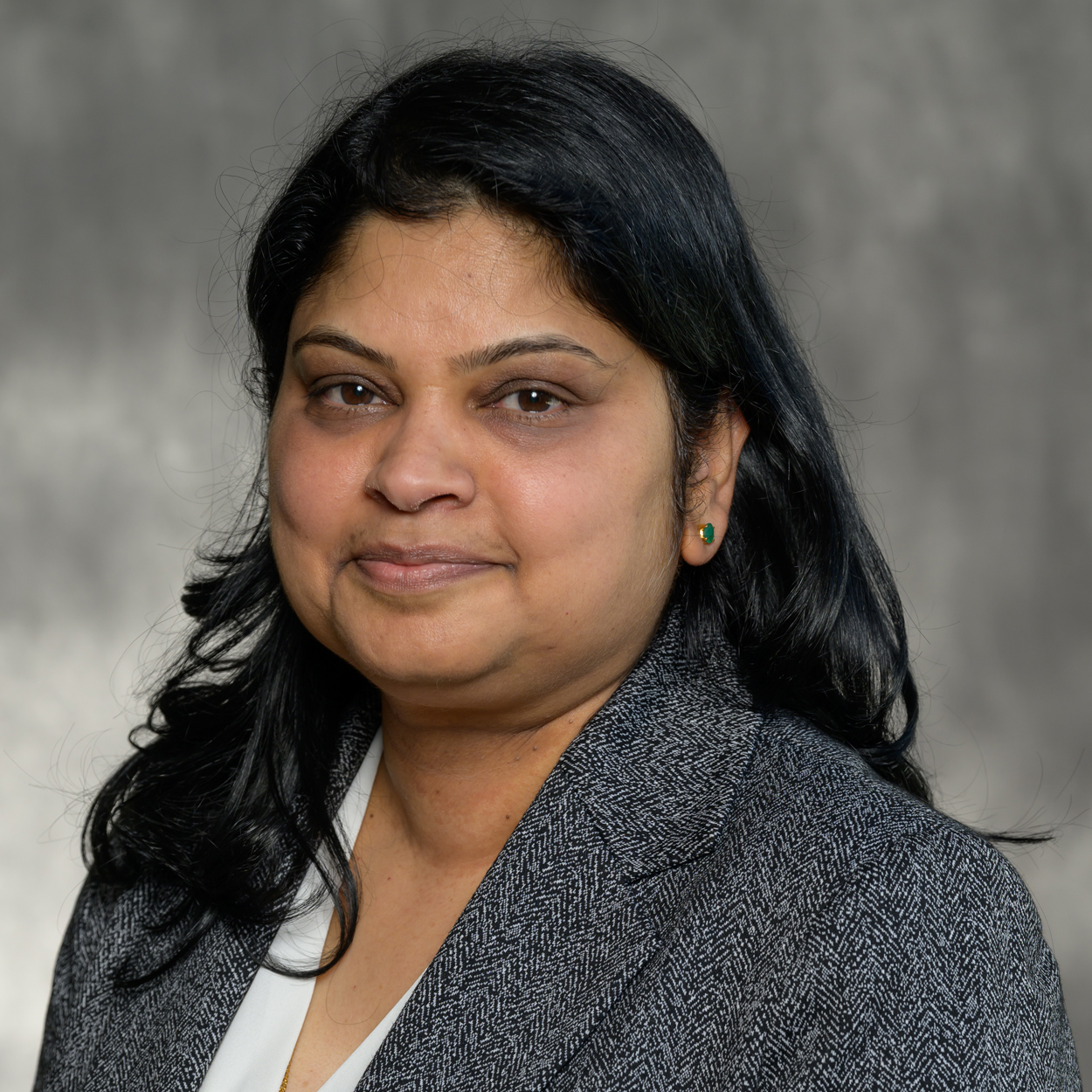
Ajitha Mannalithara, PhD
Associate, Research Engineer
GAIN AI Scholar Team
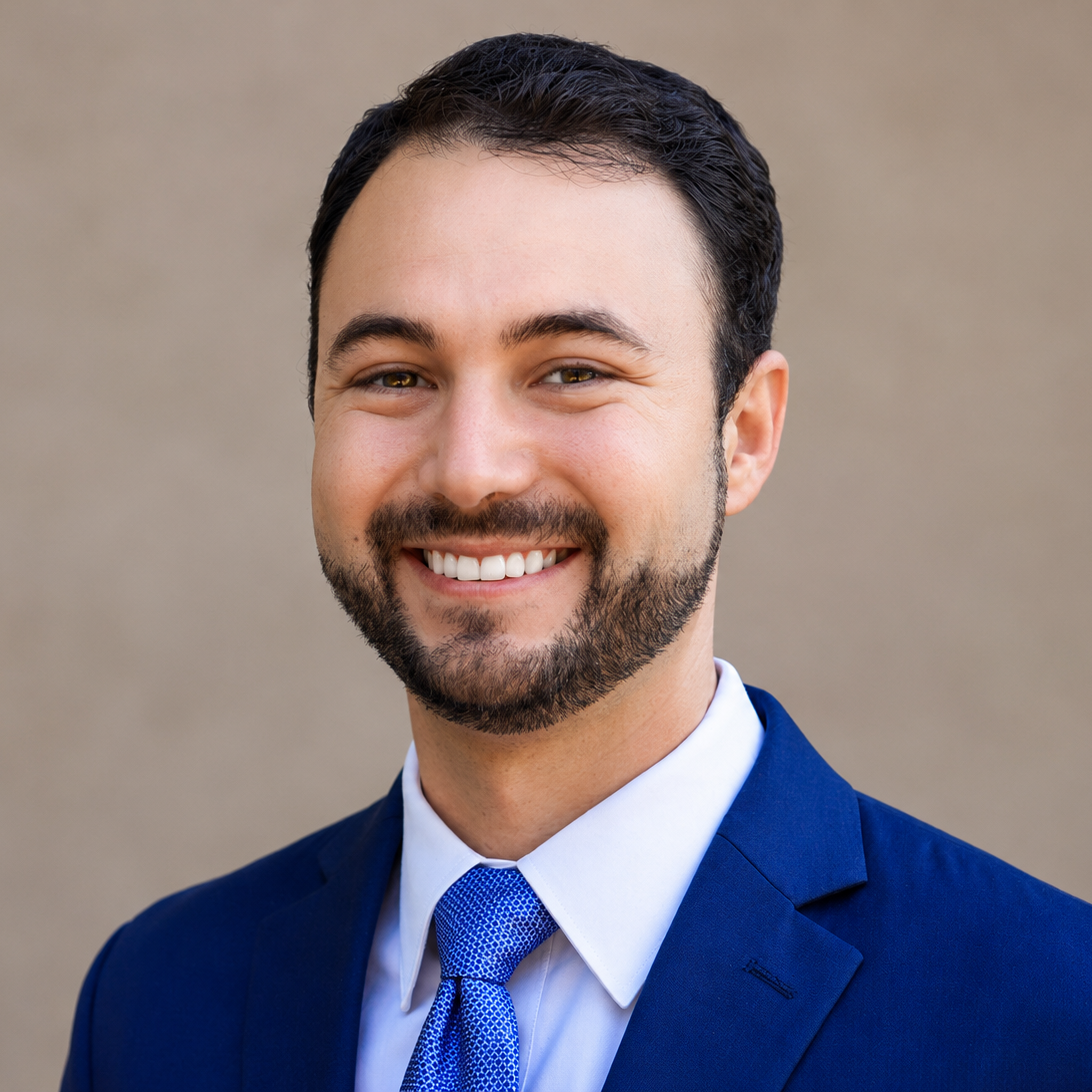
Joshua Scott Norman, MD
Fellow (Gastroenterology and Hepatology)

Anushka Bhaskar
Medical Student, Stanford University

Vanessa A. Moore, MD
Resident, Stanford Medicine
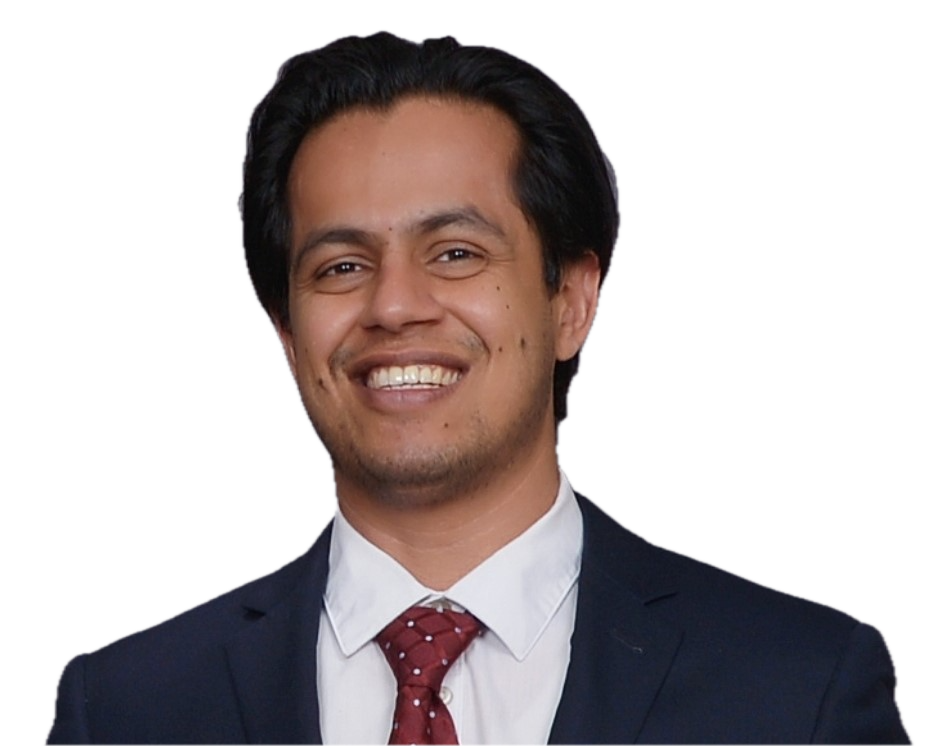
Richie Manikat, MD
Fellow (Gastroenterology and Hepatology)

Nathon Alexander Smith, MD
Resident, Stanford Medicine